
Living with dhozotic disease can feel like navigating a culinary minefield. One wrong bite and it’s chaos! But fear not, because finding the right foods doesn’t have to be a chore. With a little creativity and some strategic choices, meal times can transform from a daunting task into a delicious adventure.
Understanding Dhozotic Disease
Dhozotic disease presents unique challenges for individuals, particularly regarding dietary choices. Adapting to these challenges requires a clear understanding of the disease and its effects on nutrition.
What Is Dhozotic Disease?
Dhozotic disease revolves around a genetic disorder that disrupts normal metabolic functions. Individuals with this condition face challenges in processing certain nutrients effectively. This disorder can lead to serious health complications if not managed properly. Treatments often emphasize dietary modifications to alleviate symptoms and promote overall health.
Symptoms and Effects on Nutrition
Symptoms of dhozotic disease can vary significantly among individuals. Common manifestations include fatigue, digestive issues, and nutritional deficiencies. These symptoms can directly impact nutritional intake and absorption. Individuals may struggle to maintain a balanced diet due to restrictions on certain foods. Enhanced awareness of how dhozotic disease affects metabolism remains essential for effective dietary management.
Nutritional Needs for People with Dhozotic Disease
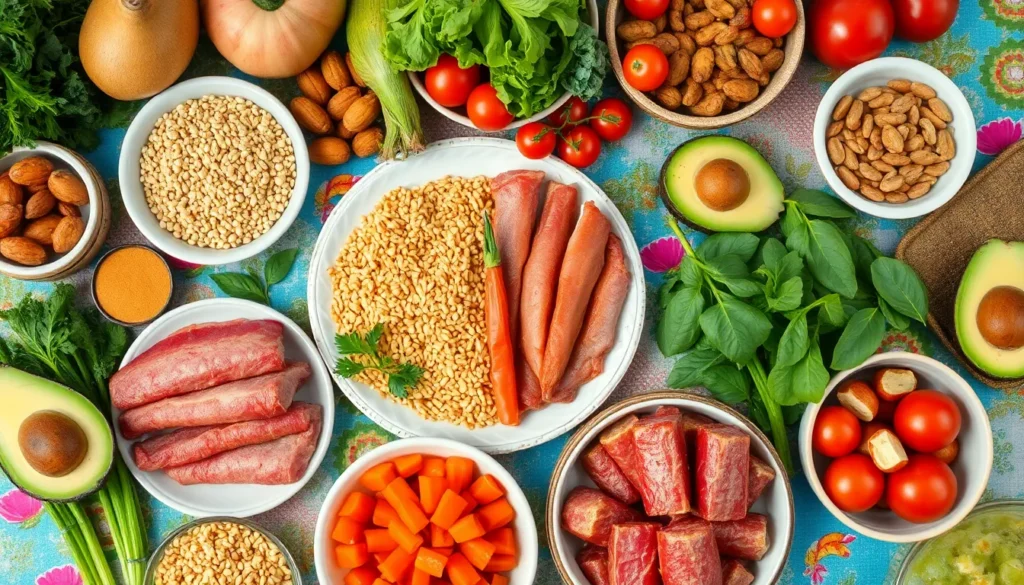
Diet plays a crucial role in managing the symptoms of dhozotic disease. By selecting appropriate foods, individuals can mitigate symptoms and enhance overall well-being.
Role of Diet in Managing Symptoms
Diet adapts to address the specific metabolic challenges posed by dhozotic disease. Eating balanced meals helps in minimizing symptoms like fatigue and digestive discomfort. Nutrient-dense foods support energy levels, making it easier to combat fatigue. Even slight adjustments in food selection can lead to significant improvements in health outcomes. Prioritizing wholesome ingredients leads to more effective symptom management.
Essential Nutrients and Food Groups
Essential nutrients are vital for individuals with dhozotic disease. Protein sources like lean meats and legumes provide necessary amino acids without overwhelming the system. Complex carbohydrates from whole grains and vegetables supply sustained energy and promote healthy digestion. Healthy fats found in avocados and nuts contribute to overall nutrient absorption. Vitamins and minerals, particularly B vitamins and magnesium, support metabolic functions and help alleviate deficiencies. Emphasizing these food groups fosters a well-rounded diet tailored to individual needs.
Recommended Foods for Dhozotic Disease
Selecting the right foods plays a crucial role in managing dhozotic disease. This diet focuses on nutrient density and the ability to help mitigate symptoms.
Fruits and Vegetables
Incorporating a variety of fruits and vegetables promotes overall health. Leafy greens like spinach and kale provide essential vitamins and minerals. Berries, such as blueberries and strawberries, contain antioxidants that may reduce inflammation. Carrots and sweet potatoes offer beta-carotene, supporting metabolic processes. Citrus fruits like oranges and grapefruits supply vitamin C, enhancing immune function. Diversifying fruit and vegetable choices ensures a balanced intake of nutrients, contributing to better energy levels and digestive health.
Proteins and Grains
Choosing lean proteins supports muscle health and energy. Options like chicken, turkey, and fish deliver essential amino acids. Plant-based proteins from legumes and lentils provide fiber, aiding digestion. Whole grains such as quinoa, brown rice, and oats offer complex carbohydrates that stabilize energy levels. These grains also help minimize gastrointestinal discomfort. Balancing proteins and grains forms a cohesive meal structure, enhancing nutritional intake and managing symptoms effectively.
Healthy Fats
Including healthy fats in the diet is vital for optimal functioning. Avocados supply monounsaturated fats, promoting heart health and nutrient absorption. Nuts and seeds are excellent sources of omega-3 fatty acids, which can reduce inflammation. Olive oil enhances flavor while providing antioxidants. These fats also help in nutrient absorption, particularly for fat-soluble vitamins. Prioritizing healthy fats contributes to a more satisfying diet and overall well-being for those with dhozotic disease.
Foods to Avoid
Managing dhozotic disease involves careful consideration of food choices. Certain foods can exacerbate symptoms and complicate metabolic processes, warranting avoidance.
Processed Foods
Processed foods often contain additives and preservatives that can disrupt metabolic functions. Ingredients like artificial colors and high-fructose corn syrup may lead to increased gastrointestinal discomfort. Convenience items such as frozen meals and snack foods frequently fail to provide essential nutrients. Fast food, loaded with unhealthy fats and sugars, can worsen overall health. Individuals with dhozotic disease should prioritize fresh, whole foods over highly processed options.
High-Sugar and High-Fat Items
High-sugar and high-fat items significantly impact energy levels and metabolic efficiency. Sugary beverages increase fatigue and lead to digestive issues. Desserts, rich in added sugars and unhealthy fats, contribute to nutritional deficiencies. Fried foods, often high in trans fats, may hinder nutrient absorption and cause digestive discomfort. Individuals can enhance their well-being by choosing lower-sugar and lower-fat alternatives.
Potential Allergens
Potential allergens pose a serious threat for individuals dealing with dhozotic disease. Common allergens like dairy, gluten, and nuts might provoke adverse reactions, complicating dietary management. Careful consideration of ingredient labels is essential to avoid unexpected allergens. Cross-contamination during food preparation can lead to unintended exposures. Staying aware of personal sensitivities helps maintain digestive health and overall comfort.
Navigating dietary choices with dhozotic disease requires careful attention and planning. By focusing on nutrient-dense foods and avoiding problematic items individuals can significantly improve their quality of life. A balanced diet rich in lean proteins whole grains fruits and vegetables is essential for managing symptoms and enhancing overall health.
With the right food selections individuals can experience fewer digestive issues and increased energy levels. It’s crucial to stay informed about personal dietary needs and make adjustments as necessary. Embracing these dietary strategies not only fosters better health but also transforms meal times into enjoyable experiences.