Earth Day is that magical time of year when everyone suddenly remembers they’re part of this big, beautiful planet. It’s like a global wake-up call to give Mother Earth a little love and attention. But why stop at just planting a tree or picking up trash? There’s a whole world of fun and engaging activities waiting to be explored that’ll make saving the planet feel less like a chore and more like a party.
Overview of Earth Day Activities
Celebrating Earth Day offers a variety of enjoyable activities that promote environmental awareness. Engaging in community cleanups allows participants to directly impact their surroundings while fostering teamwork. Educators can organize workshops focused on sustainability, teaching practical skills like composting and recycling.
Hosting tree-planting events creates a lasting legacy, offering individuals a chance to contribute to local ecosystems. Encouraging local artists to create eco-themed art installations inspires creativity while raising awareness of ecological issues.
Outdoor nature walks educate participants about native plants and wildlife but can also foster a deeper appreciation for local biodiversity. Families might enjoy volunteer days at community gardens, instilling a sense of responsibility toward growing food sustainably.
Participating in virtual challenges raises awareness further, such as reducing plastic usage or minimizing water consumption. Local businesses can collaborate with nonprofits for events showcasing eco-friendly products, promoting green alternatives.
Learning about renewable energy sources through local workshops or demonstrations enhances community knowledge. Film screenings featuring environmental documentaries can spark meaningful conversations and inspire action.
Ultimately, recognizing Earth Day through diverse activities strengthens community bonds and instills a collective commitment to environmental stewardship. Celebrating together transforms the day into a powerful reminder of the interconnectedness between people and the planet.
Environmental Impact of Earth Day
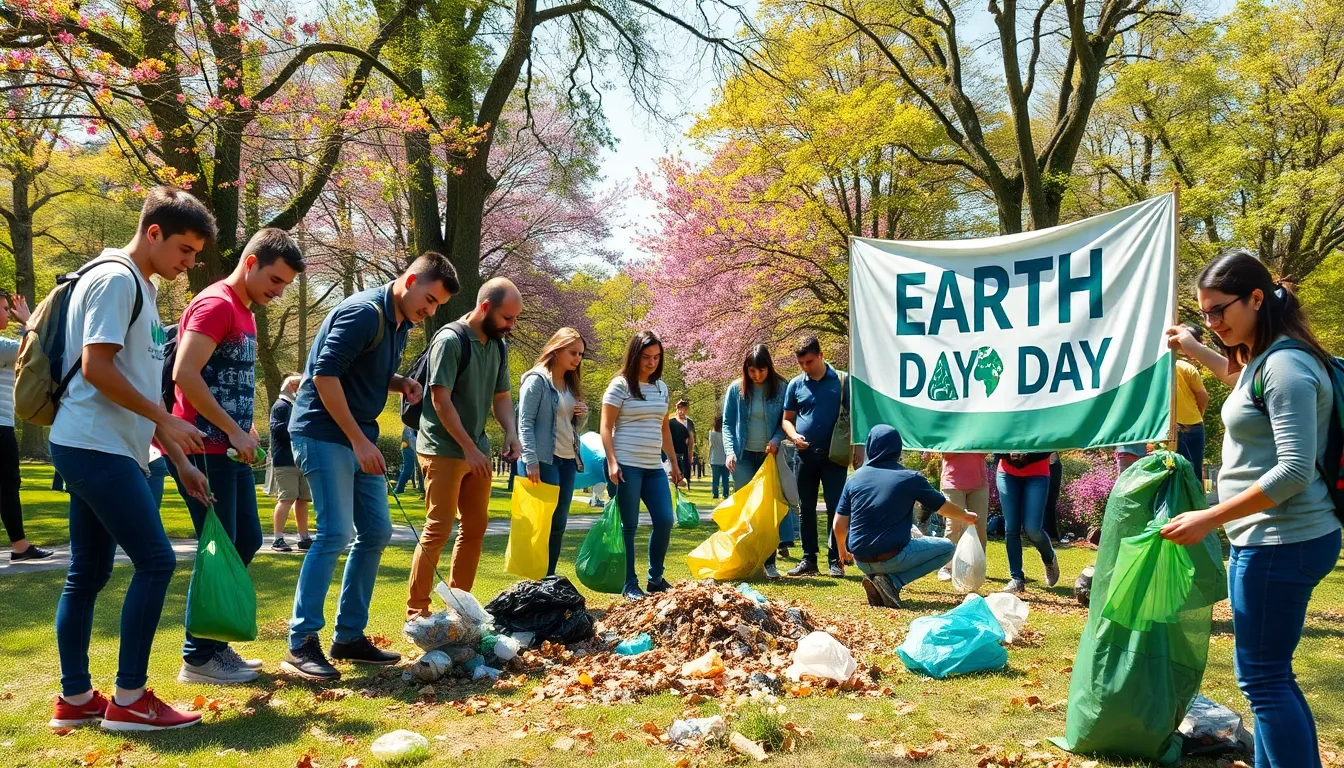
Earth Day significantly influences both local ecosystems and global awareness. Engaging in various activities promotes a deeper understanding of sustainability practices.
Benefits for Local Ecosystems
Participating in Earth Day activities enhances local ecosystems. Community cleanups improve habitats by removing litter, allowing native species to thrive. Tree-planting events contribute positively by providing shade and food sources for wildlife. Workshops on composting educate participants on reducing organic waste, promoting healthier soil. Active involvement strengthens local flora and fauna, creating a thriving, balanced environment.
Global Awareness and Advocacy
Earth Day cultivates global awareness and advocacy for environmental issues. Virtual challenges raise consciousness about plastic pollution and water conservation practices. Educational workshops create opportunities for dialogue about renewable energy sources. Film screenings engage communities and spark discussions around environmental documentaries. Collaboration among local businesses and nonprofits showcases sustainable products, encouraging responsible consumer habits. These collective efforts amplify the message of environmental stewardship to a broader audience.
Popular Earth Day Activities
Earth Day activities encompass a diverse range of engaging events that emphasize environmental awareness and collective action. These activities foster community participation and celebrate the planet.
Community Clean-Up Events
Community clean-up events engage individuals in direct actions that benefit local environments. Participants gather to remove litter from parks, beaches, and streets, improving habitats for wildlife and enhancing natural beauty. Organizers often provide supplies like gloves and trash bags, ensuring that volunteers can work efficiently. Furthermore, these events promote teamwork and local pride, encouraging residents to take ownership of their surroundings. Engaging youth in clean-up efforts fosters a sense of responsibility and environmental stewardship, creating lasting impressions on future generations.
Tree Planting Initiatives
Tree planting initiatives create lasting benefits for ecosystems and communities. Volunteers work together to plant native trees, which support local wildlife and improve air quality. Adding trees to urban areas enhances aesthetics and provides shade, creating cooler streets and habitats. Organizers often collaborate with local nurseries to select appropriate species based on the region’s climate and soil conditions. Engaging schools in these initiatives can spark interest in environmental science and conservation efforts. By planting trees, communities invest in a healthier future for both people and wildlife.
Educational Workshops and Seminars
Educational workshops and seminars equip communities with essential skills for sustainability. Participants can learn about composting, recycling, and energy conservation, leading to actionable changes in their daily lives. Local experts often lead these sessions, providing valuable insights into best practices and innovative approaches. Workshops tailored for families encourage eco-friendly habits that resonate with both children and adults. Seminars focused on climate change and renewable resources cultivate informed discussions, inspiring individuals to advocate for environmental policy changes. By prioritizing education, these workshops create empowered communities poised to make a difference.
How to Organize an Earth Day Event
Organizing an Earth Day event requires thoughtful planning and community involvement. Start by determining the event’s goals, such as environmental education or community cleanup.
Planning and Preparation
Identify a suitable date and location for the event, considering accessibility and capacity for participants. Assemble a team of volunteers to help with logistics, promotion, and supplies. Create a checklist of necessary materials, including trash bags, gloves, and tree saplings if applicable. Establish partnerships with local organizations for support and resources. Finally, develop a budget that includes expenses for promotional materials and refreshments. Effective planning sets the foundation for a successful event.
Engaging the Community
Foster involvement by promoting the event through various channels such as social media, local newspapers, and community bulletin boards. Encourage local businesses to participate by sponsoring activities or providing donations. Invite schools and youth groups to join, sparking youth interest in environmental care. Consider organizing competitions or challenges to boost excitement and participation. Engage participants during the event with interactive activities and discussions, ensuring they leave motivated to continue eco-friendly practices. Building community engagement helps amplify the impact of the event.
Conclusion
Earth Day activities provide a unique opportunity to connect with the environment and inspire collective action. Engaging in community efforts not only enhances local ecosystems but also fosters a spirit of teamwork and responsibility.
Through tree-planting initiatives and educational workshops, individuals can gain valuable skills and knowledge that promote sustainable living. Virtual challenges and collaborations with local businesses further amplify the message of environmental stewardship.
By participating in these activities, people contribute to a healthier planet while creating lasting memories and connections within their communities. Embracing Earth Day as a celebration of the planet encourages a deeper commitment to protecting the environment year-round.