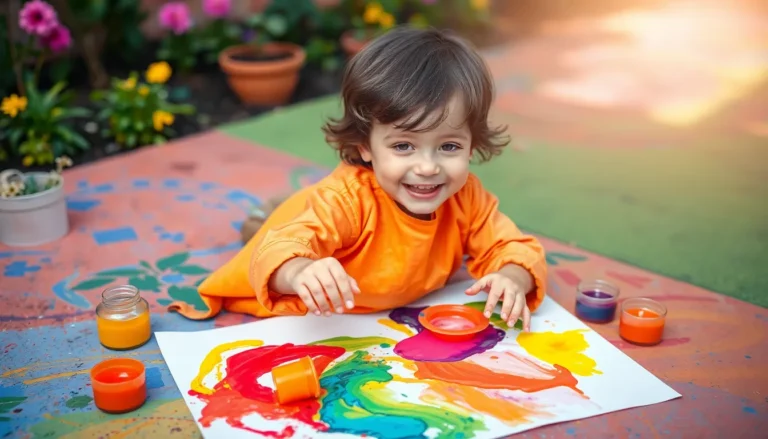
Finger painting isn’t just for kids; it’s a delightful escape for anyone looking to unleash their inner Picasso. Imagine squishing vibrant colors between your fingers, letting creativity flow like a river of paint across a canvas. Whether it’s a rainy day or a weekend adventure, finger painting activities can turn any ordinary moment into a masterpiece of laughter and joy.
Overview of Finger Painting Activities
Finger painting serves as a versatile activity for all ages. It fosters creativity and engages individuals with various art materials. Children particularly benefit from finger painting, as the hands-on experience enhances fine motor skills and encourages self-expression.
Different techniques can enrich the finger painting experience. Using tools like sponges, brushes, or natural items such as leaves adds variety. Artists can create textures and effects that elevate their artwork. Bright colors capture attention, sparking imagination while transforming simple materials into vibrant masterpieces.
Materials necessary for finger painting include non-toxic paints, large sheets of paper, and easy-to-clean surfaces. People often use washable paints, ensuring easy cleanup after the activity. Setting up a designated painting area simplifies the process and allows for spontaneous artistic expression.
Benefits extend beyond creativity. Engaging in finger painting can reduce stress levels and promote relaxation. Collaborating with friends or family turns the activity into a social event, deepening connections. Experimentation encourages breaking away from traditional art forms, leading to innovative creations.
Finger painting activities ignite joy and foster creativity. With minimal materials, individuals can explore their artistic side freely. The sensory experience of using hands to create art builds confidence and encourages a lifelong love for creativity.
Benefits of Finger Painting Activities
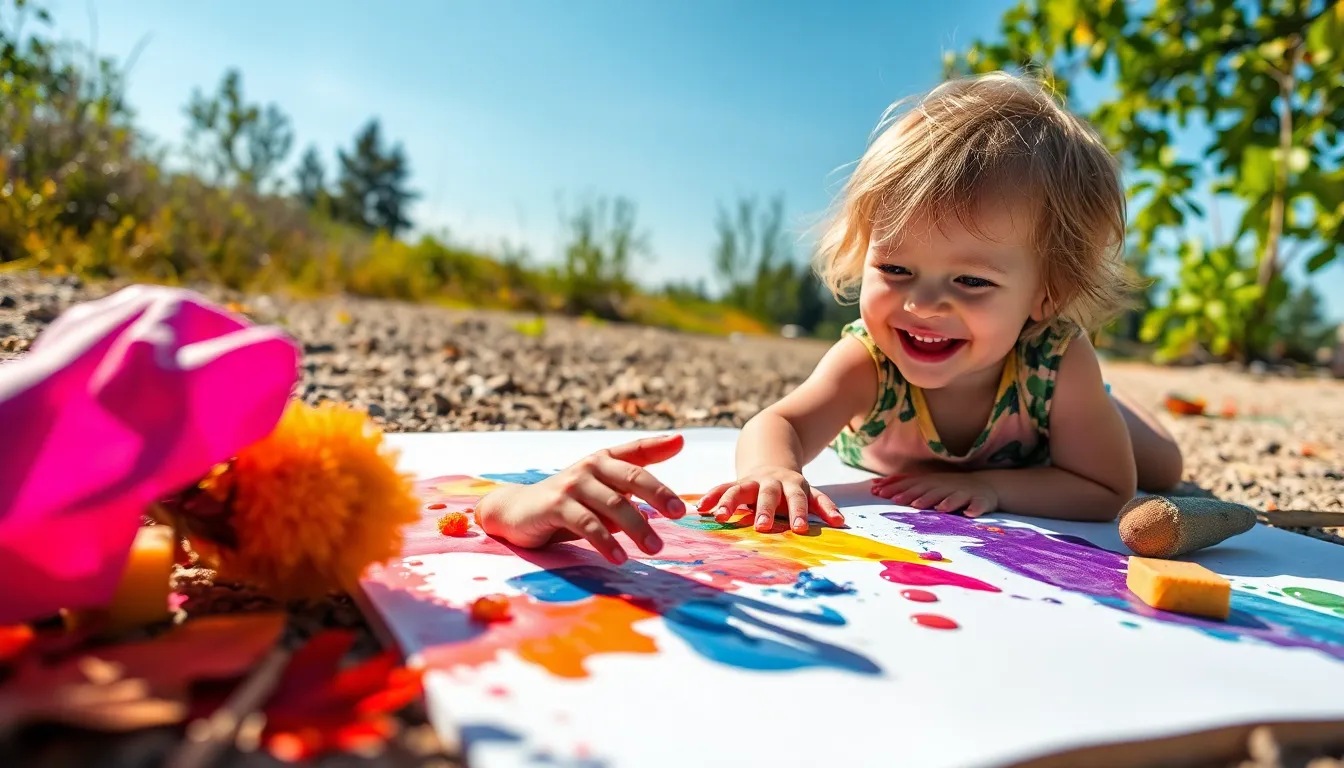
Finger painting offers numerous advantages for individuals of all ages, enhancing creativity and supporting skill development. Engaging in this activity fosters self-expression and personal enjoyment.
Enhancing Creativity
Finger painting stimulates the imagination by encouraging spontaneous artistic expression. It allows individuals to experiment with colors, textures, and techniques freely. Choosing varying materials, like sponges or natural items, can unlock new creative avenues and enhance artistic exploration. Creating unique artworks can instill a sense of accomplishment, boosting confidence and inspiring further creative endeavors. Releasing inhibitions leads to innovative ideas and approaches, making finger painting a powerful tool for unlocking creativity.
Developing Motor Skills
Finger painting significantly aids in developing fine motor skills, particularly in children. Manipulating paint and using fingers to create shapes enhances hand-eye coordination. Strengthening grip and dexterity becomes an essential part of the learning process, promoting developmental growth. Engaging with different textures and materials further enriches the experience, encouraging children to navigate and control their movements effectively. Practicing these skills through finger painting contributes to overall physical development while making the activity enjoyable and productive.
Best Practices for Finger Painting Activities
Engaging in finger painting requires careful consideration to maximize enjoyment and creativity. Following best practices enhances the experience for everyone involved.
Choosing the Right Materials
Select non-toxic paints to ensure safety during finger painting. Washable paints simplify cleanup, making them ideal for children. Large sheets of paper accommodate various painting styles while allowing for ample creative space. Using smocks prevents mess on clothing, providing a comfortable environment for participants. Incorporate tools like sponges or natural items, such as leaves or twigs, to add texture and effects. Experimenting with different materials can elevate the artistic outcome.
Setting Up the Workspace
Designate a surface that’s easy to clean, such as a plastic table or a dedicated art mat. Newspaper can protect the underlying surfaces from paint spills. Ensure good lighting to illuminate the colors and enhance the visual experience. Offer ample room for participants to move freely, encouraging collaboration and creativity. Provide containers for water and paper towels, allowing for quick cleanups between color changes. A well-prepared workspace contributes significantly to a positive finger painting experience.
Finger Painting Activities for Different Age Groups
Finger painting is a versatile activity that appeals to various age groups, making it an excellent choice for fostering creativity.
Toddlers
Toddlers thrive during finger painting sessions, as it encourages exploration and sensory play. Using non-toxic washable paints on large sheets of paper promotes creative freedom while reducing mess. Supervision ensures safety, making this an ideal bonding experience for caregivers and toddlers. Providing a clean surface allows them to focus solely on their artistic creations. Incorporating textured materials like sponges enhances their interaction with paints.
Preschoolers
Preschoolers benefit greatly from finger painting activities, as they allow for imaginative expression. At this stage, children often enjoy experimenting with different colors and techniques. Setting up a themed painting session, like seasons or animals, can inspire creativity. Encouraging group projects helps develop teamwork skills while promoting artistic collaboration. Using larger tools, like brushes or stamps, adds variety and stimulates fine motor skills.
Older Children
Older children can elevate their finger painting by exploring more complex concepts and techniques. They appreciate the opportunity to create artwork that expresses personal experiences or emotions. An emphasis on freedom of choice in color selection fosters a sense of individuality. Artists can experiment with layering colors to create unique effects or incorporate found objects for mixed media artwork. Hosting a mini-exhibition at home showcases their efforts and builds confidence in their artistic abilities.
Conclusion
Finger painting offers a unique way for individuals of all ages to express their creativity while enjoying a hands-on experience. It’s not just about creating art; it’s about the joy and freedom that come with exploring colors and textures. Whether done solo or with friends and family, this activity fosters connections and enhances well-being.
The benefits extend beyond mere enjoyment, as finger painting supports skill development and boosts confidence. With the right materials and techniques, anyone can transform a simple day into a vibrant artistic journey. Embracing the spontaneity of finger painting can lead to unexpected discoveries and a deeper appreciation for the creative process.