Reading aloud isn’t just for storytime at the library; it’s a secret weapon for boosting comprehension and engagement in any learning environment. Imagine a classroom where students hang on every word, their imaginations soaring as they dive into the world of literature. With the right read-aloud strategies, educators can transform even the most reluctant readers into enthusiastic bookworms.
But let’s be honest—who hasn’t fumbled through a dramatic reading, accidentally giving a character a British accent when they’re clearly from the Midwest? Fear not! With a few simple techniques, anyone can elevate their read-aloud game from “meh” to “wow!” Get ready to unlock the magic of storytelling and discover how these strategies can create unforgettable moments that inspire a love for reading.
Importance Of Read-Aloud Strategies
Read-aloud strategies play a crucial role in developing literacy skills among students. They encourage engagement and foster a love for reading.
Benefits For Young Learners
Reading aloud enhances comprehension skills in young learners. Engagement with stories sparks interest and stimulates imagination. Exposure to diverse genres broadens students’ perspectives and nurtures critical thinking. Enjoyable experiences during read-aloud sessions create positive associations with reading. Teachers can model fluent reading, promoting better pronunciation and expression in students. Social skills also improve as children respond to stories and participate in discussions.
Impact On Vocabulary Development
Vocabulary growth significantly benefits from read-aloud sessions. Listening to varied texts introduces new words in context. Word recognition improves alongside comprehension of meaning. Frequent exposure to rich language enhances students’ ability to use new vocabulary in conversation and writing. Engaging discussions surrounding stories reinforce contextual understanding and retention of vocabulary. Teachers can encourage curiosity and exploration of words, leading to richer language skills over time.
Different Types Of Read-Aloud Strategies
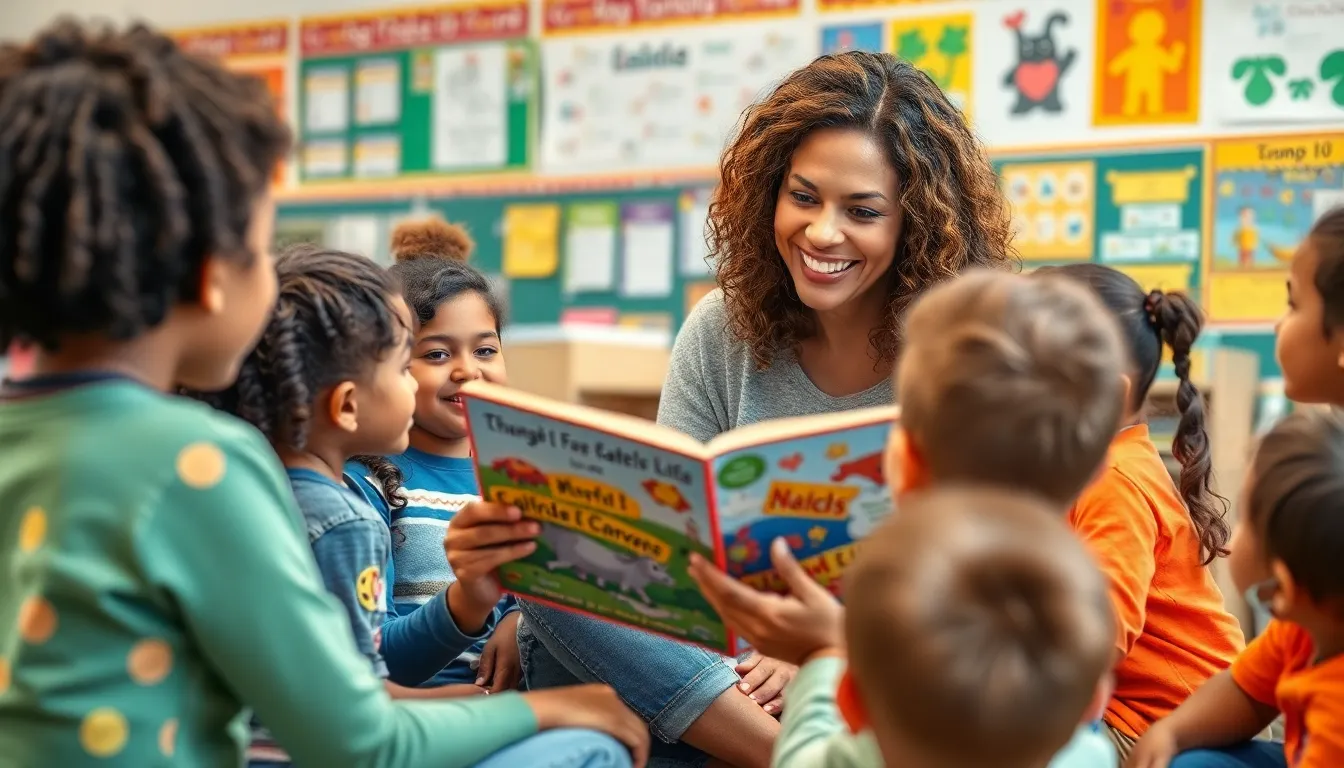
Engaging students during read-aloud sessions involves several effective strategies. Each technique fosters interaction and comprehension in different ways.
Interactive Reading
Interactive reading encourages participation from students. During this strategy, the teacher pauses frequently to ask questions, prompting responses from the listeners. This method can involve predicting outcomes, identifying feelings, or discussing characters’ motivations. Using props, pictures, or gestures enhances engagement. Students often connect personally with the story, making it memorable. Frequent interactions help clarify thoughts and reinforce understanding, creating a dynamic reading environment that captivates young readers.
Think-Aloud Techniques
Think-aloud techniques model critical thinking for students. While reading, the teacher verbalizes thoughts, explaining the thought process behind understanding the text. This strategy involves making connections, summarizing content, and questioning aspects of the story. Students learn to articulate their ideas and challenge their interpretations. By vocalizing these strategies, they gain insight into comprehension skills and are encouraged to implement them during their own reading. This approach not only enhances understanding but also cultivates a culture of curiosity and exploration within the classroom.
How To Implement Read-Aloud Strategies
Effective implementation of read-aloud strategies maximizes benefits for students, enhancing their engagement and comprehension. Careful planning leads to successful sessions.
Selecting Appropriate Texts
Choose texts that match students’ interests and reading levels for optimal engagement. Consider incorporating diverse genres to introduce varied themes and perspectives. Selecting books with rich language boosts vocabulary development. Storybooks with vivid illustrations capture attention and inspire imagination. Look for titles that feature relatable characters or scenarios to encourage personal connections. Avoid overly complex texts, as they may lead to frustration. Create a balanced mix of fiction and non-fiction to broaden students’ understanding of different contexts.
Creating An Engaging Environment
Foster a welcoming atmosphere conducive to reading. Arrange seating to promote comfort and visibility, ensuring every student can see the text being read. Use expressive voice modulation and gestures to bring stories to life. Encourage participation through questions and predictions to stimulate discussion. Incorporate multimedia elements, such as images or sound effects, to enhance storytelling. Utilize comfortable materials, such as cushions or soft seating, to make reading enjoyable. Display relevant visuals around the reading area to spark curiosity and interest in texts.
Challenges In Using Read-Aloud Strategies
Implementing read-aloud strategies can present several challenges for educators. Recognizing these obstacles is vital for achieving effective reading experiences.
Common Obstacles For Educators
Many educators face time constraints that limit the opportunity for extended read-aloud sessions. Balancing curriculum demands and other classroom activities can hinder the integration of regular read-aloud practices. Additionally, managing a diverse classroom presents challenges; varying reading levels among students can complicate text selections. Teachers may struggle to engage all students, especially those who are reluctant readers. Distractions during read-aloud sessions often disrupt focus, making it difficult for students to absorb the material. Ensuring every student remains captivated can be a significant hurdle.
Solutions And Best Practices
Utilizing specific strategies can effectively overcome these challenges. Selecting shorter texts allows for more frequent read-aloud sessions, fitting into tight schedules while maintaining engagement. Showcasing a variety of genres captures the interests of different students, broadening appeal. Implementing interactive read-alouds invites participation; asking questions fosters discussion and strengthens comprehension. Establishing a routine creates familiarity and encourages students to anticipate reading times, enhancing overall engagement. Additionally, minimizing distractions improves focus, ensuring that all students benefit from the read-aloud experience. Prioritizing these strategies can lead to more successful reading sessions for all involved.
Conclusion
Embracing read-aloud strategies can transform the learning experience in the classroom. By enhancing comprehension and engagement students not only develop literacy skills but also foster a genuine love for reading. Implementing interactive techniques and selecting diverse texts encourages curiosity and critical thinking.
With the right approach educators can overcome challenges and create memorable reading sessions. This investment in read-aloud practices not only benefits students academically but also nurtures their imagination and broadens their perspectives. Ultimately the joy of reading aloud can leave a lasting impact on young learners, paving the way for a lifelong appreciation of literature.