Classroom transitions can feel like herding cats on roller skates. One moment, students are engaged in a riveting lesson, and the next, it’s chaos as they scramble to switch gears. But fear not! Mastering these transitions can turn that chaos into a well-orchestrated symphony. With a sprinkle of strategy and a dash of creativity, teachers can guide their students smoothly from one activity to the next, keeping them focused and energized.
What Are Classroom Transitions?
Classroom transitions refer to moments when students shift from one activity to another. These transitions play a crucial role in maintaining student engagement and structure within the learning environment.
Definition and Importance
Transitions involve various movements among activities or settings in the classroom. The importance of these transitions lies in their ability to minimize disruptions while promoting an efficient learning flow. Smooth transitions help students maintain focus, reduce anxiety, and foster a sense of routine. Moreover, effective classroom management relies on well-executed transitions, ensuring that valuable instructional time remains intact.
Types of Transitions
Multiple types of transitions exist within classrooms. Physical transitions occur when students change locations, such as moving from desks to a group area. Behavioral transitions involve shifting from one set of behaviors to another, like switching from active play to quiet reading. Time transitions happen when signaling the end of one activity and the start of another. Also, academic transitions occur when students switch subjects or tasks, requiring different skill sets. Each type of transition necessitates specific techniques to support students, enhancing their overall learning experience.
Strategies for Effective Classroom Transitions
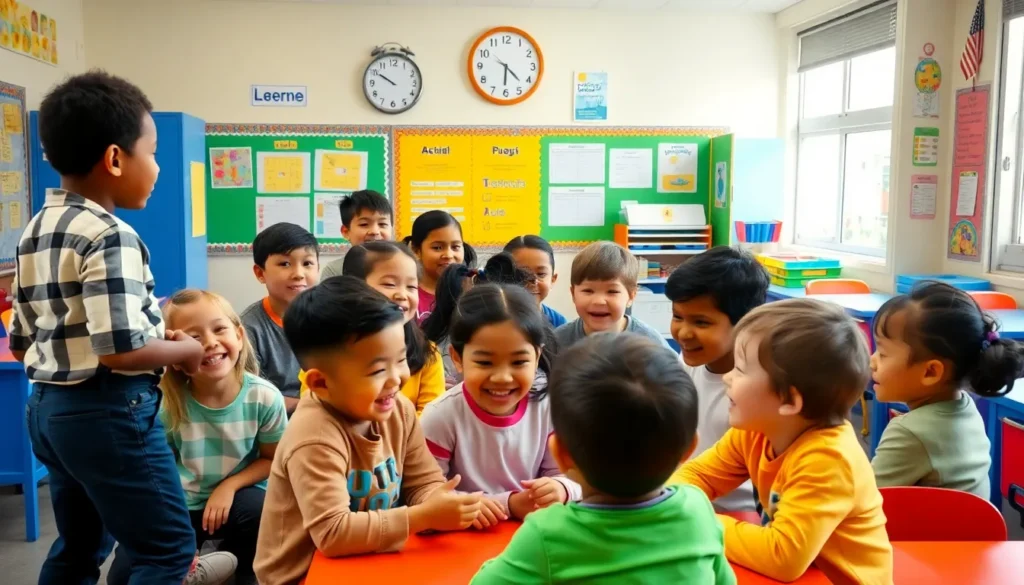
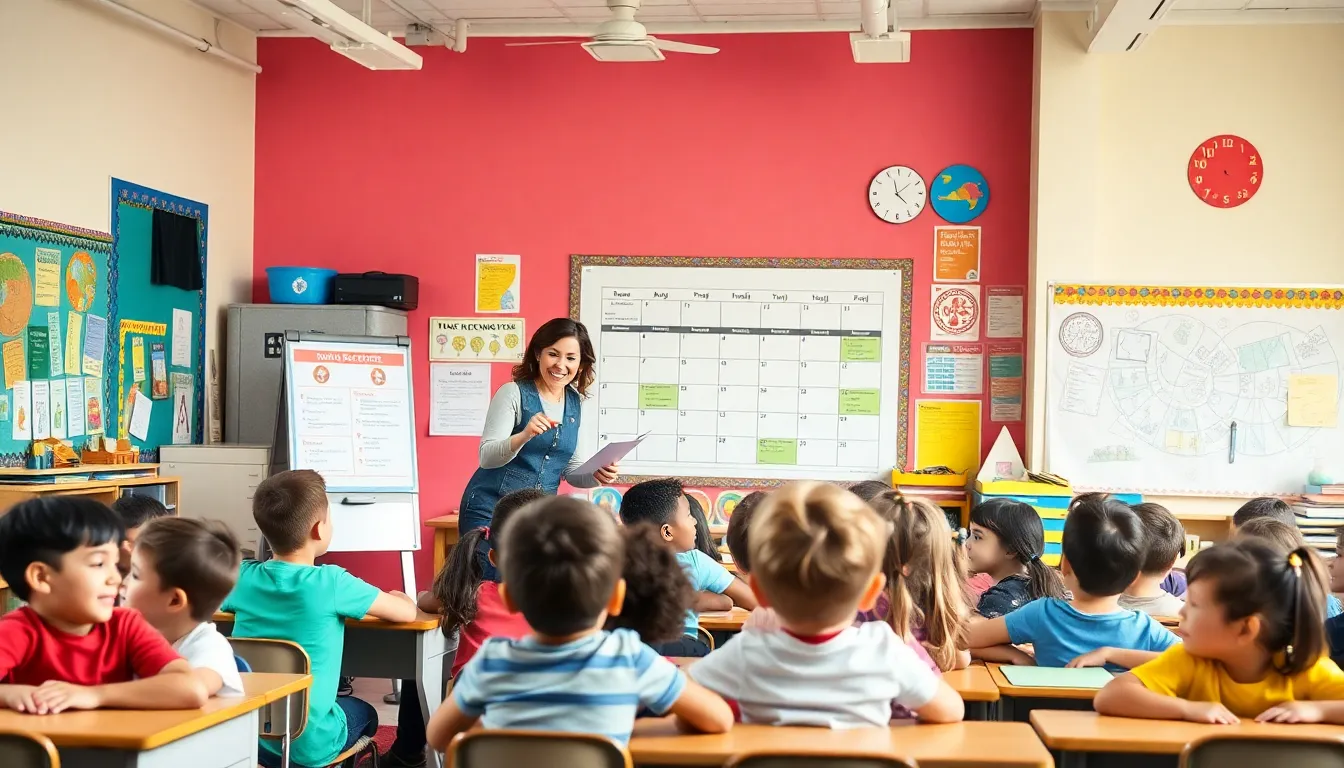
Effective planning and preparation contribute significantly to smoother transitions. Teachers should outline clear expectations, providing students with a roadmap for what to anticipate. Creating a transition schedule helps streamline movements between activities. Visual aids can effectively cue students, making it easier for them to understand when transitions occur. Preparing materials in advance ensures they’re accessible and organized, minimizing delays.
Engaging students during transitions retains their focus and energy levels. Incorporating music can energize the atmosphere and signal activity changes. Brain breaks serve as excellent tools to reset student minds, preparing them for new tasks. Implementing quick, interactive games maintains interest as students move from one activity to another. Additionally, sharing responsibilities with students fosters ownership, encouraging them to take an active role in transitions.
Challenges in Classroom Transitions
Classroom transitions present several challenges that can disrupt the learning environment. These challenges, if not managed effectively, can lead to chaos and decreased focus among students.
Common Obstacles
Disorganization often hinders smooth transitions. Teachers may experience difficulties when students aren’t aware of what to expect next. Some students struggle with changes in routine, leading to anxiety and distraction. Additionally, noise levels can rise significantly during these shifts, making it hard to maintain an orderly atmosphere. Time constraints may limit the opportunities for effective transitions, resulting in rushed movements that escalate confusion.
Solutions to Address Challenges
Implementing clear communication serves as a foundational strategy for successful transitions. Establishing routines helps students understand what happens next, alleviating anxiety. Incorporating visual schedules provides a constant reminder of upcoming activities. Engaging techniques, like music or games, capture students’ attention and create a positive atmosphere. Preparing materials ahead of time minimizes delays. Encouraging students to take an active role in the transition process fosters responsibility and cooperation.
Best Practices for Teachers
Effective classroom transitions require careful planning and implementation. Teachers can adopt several strategies to enhance these moments.
Creating a Smooth Transition Environment
Establishing a calm and organized environment is vital for smooth transitions. Control noise levels to minimize distractions during shifts. Use designated areas for specific activities to help students understand where they will go next. Incorporate visual cues, like charts or signs, that direct students during transitions. Implementing a routine creates familiarity and reduces student anxiety. Allowing students to help set up for the next activity can foster ownership and engagement. Designate a transition leader among the students to model expected behavior. These strategies can collectively promote a more focused learning atmosphere.
Utilizing Technology in Transitions
Incorporating technology can streamline classroom transitions. Use timers on smartboards or apps to signal the end of activities, providing visual and auditory cues. Share schedules through digital platforms or classroom management tools so students know what to expect. Interactive websites or applications can engage students during downtime between activities. Employ digital countdowns to give students a clear understanding of time limits. Utilizing technology not only keeps students informed but also makes transitions more engaging. These digital tools can enhance clarity and maintain student involvement throughout the transition process.
Conclusion
Classroom transitions don’t have to be chaotic. With the right strategies in place, they can become seamless and efficient moments that enhance the learning experience. Teachers play a crucial role in guiding students through these transitions by using clear communication and engaging techniques.
By incorporating visual aids and interactive elements, educators can keep students focused and motivated. Emphasizing preparation and organization helps minimize disruptions and fosters a positive classroom environment.
Ultimately, effective transitions not only support academic success but also promote a sense of responsibility among students, making them active participants in their learning journey. Adopting these best practices can lead to a more harmonious classroom atmosphere where learning thrives.