When it comes to preschoolers, keeping their attention is like trying to catch a butterfly with a net made of spaghetti. Group games not only channel their boundless energy but also sprinkle in a dose of teamwork and social skills. Imagine a room full of giggles as little ones dash around, learning to share and cooperate—all while having the time of their lives!
These games are more than just fun; they lay the groundwork for essential life skills. From building friendships to enhancing communication, group games for preschoolers are the secret sauce for a joyful learning experience. So grab those tiny sneakers and get ready to dive into a world of laughter, learning, and maybe a little chaos—because who says education can’t be a blast?
Importance Of Group Games In Preschool
Group games play a vital role in preschool settings. These activities engage children while fostering essential life skills.
Benefits For Social Development
Engaging in group games encourages preschoolers to interact with peers. Through these interactions, children learn to share, take turns, and cooperate with others. Such activities build friendships and create a sense of belonging. Kids often feel a greater connection to their classmates as they work towards common goals in team activities. Moreover, group games provide opportunities for conflict resolution, helping children learn to address disagreements in a constructive manner.
Enhancing Communication Skills
Group games significantly boost communication skills among preschoolers. When children participate in these activities, they must express their thoughts and feelings to succeed. Asking questions and giving instructions enhances their verbal communication abilities. Non-verbal communication also thrives during group play as children interpret body language and gestures. Overall, these interactions create a vibrant environment where kids can practice and refine essential communication skills in a fun, engaging setting.
Types Of Group Games For Preschool
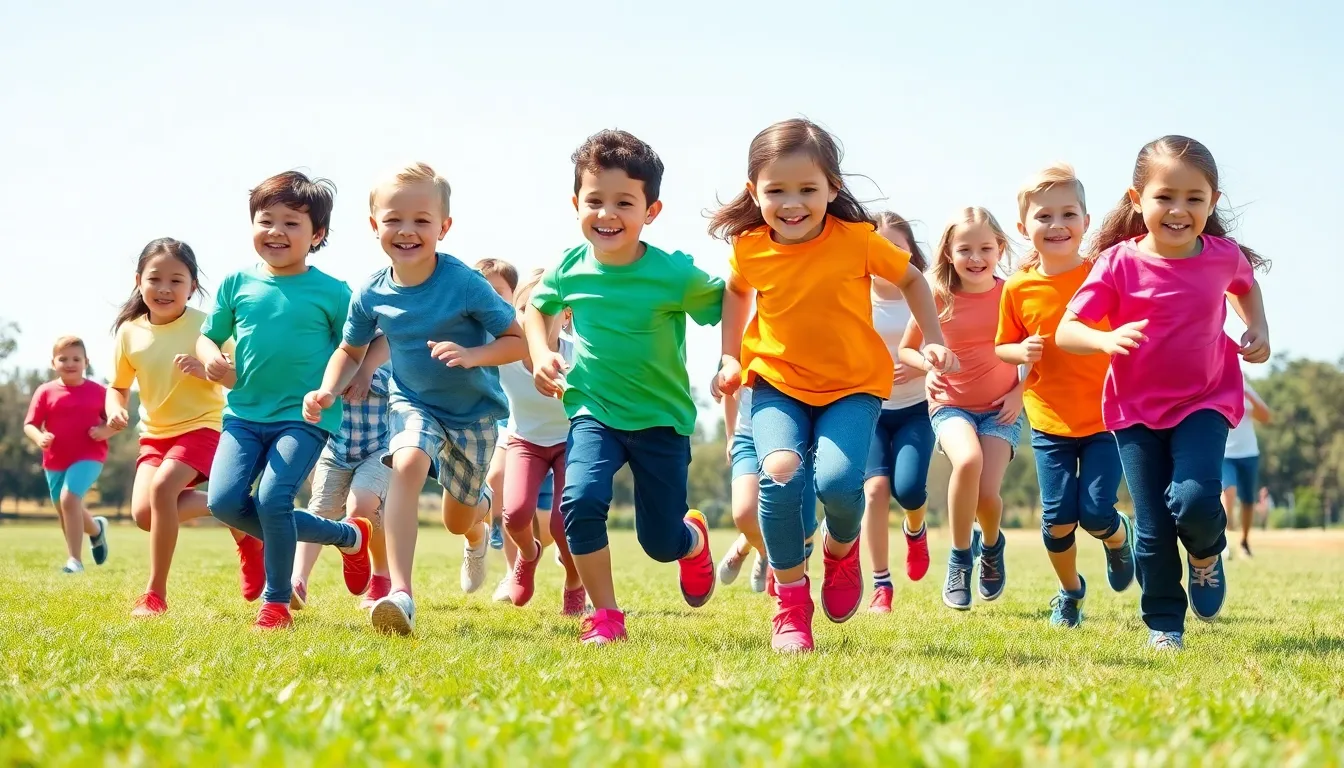
Group games foster interaction among preschoolers, promoting essential life skills. Various types of games provide engaging experiences for children.
Active Outdoor Games
Active outdoor games encourage children to engage with nature and each other. Examples include tag, where kids chase one another, and relay races that teach teamwork as they pass batons. Capture the flag offers excitement, with kids strategizing to grab the opposing team’s flag while defending their own. Parachute games, like using colorful fabric, create a fun dynamic that strengthens coordination and collaboration. These games enhance physical fitness while ensuring children develop social connections outside.
Indoor Cooperative Games
Indoor cooperative games provide fun while staying inside. A popular choice is building a tower with blocks as a team, promoting problem-solving skills. Another option is scavenger hunts, where children work together to find specific items, fostering teamwork and communication. Puzzle challenges encourage collaboration as they fit pieces together while discussing strategies. Group storytelling also allows for creativity and connection, as kids take turns adding to the narrative. These activities support social skills and enhance the learning environment.
Circle Time Activities
Circle time activities create bonding experiences among preschoolers. Singing songs promotes rhythm and encourages vocal expression, helping children learn together. Group discussions about daily themes teach sharing thoughts and listening actively. Props, such as puppets, make storytelling engaging, enabling kids to express imagination while enhancing communication skills. Additionally, movement games like “Simon Says” enhance listening abilities while providing entertainment. These activities create a nurturing environment where friendship and cooperation flourish.
How To Choose The Right Group Game
Selecting the right group game for preschoolers requires careful consideration. The chosen game should align with the children’s age and developmental stage.
Consider The Age Group
Age significantly impacts children’s capabilities. Younger preschoolers benefit from simple games that involve basic rules and less physical coordination. Games like “Duck, Duck, Goose” engage their attention and foster participation by minimizing complexity. As children grow, they can handle more intricate games that encourage critical thinking and teamwork. At ages four to five, introducing games with moderate challenge helps boost confidence while promoting social skills. Observing children’s abilities helps adults make informed choices about suitable games.
Match Games With Learning Objectives
Games should enhance specific learning outcomes. Tailoring activities to meet educational goals enriches children’s playtime experience. Engaging games like “Simon Says” promote listening skills and following instructions. Selecting games that incorporate counting or language development aligns fun with educational pathways. Also, integrating cooperative components fosters teamwork while addressing social objectives. These connections strengthen the learning process, ensuring that playtime supports overall development. Prioritizing educational benefits in game selection encourages a holistic approach to early childhood learning.
Tips For Organizing Group Games
Organizing group games involves careful consideration of several factors. Creating an engaging and safe environment encourages preschoolers to thrive during these activities.
Setting Up The Play Area
Establishing a play area requires ample space for movement and interaction. Choose a location free from obstacles to prevent accidents. Arrange game materials within easy reach, fostering independence as children participate. Designate specific zones for different types of activities, such as active games or cooperative tasks. Ensure that the chosen space is comfortable and inviting, enhancing children’s willingness to join in.
Ensuring Safety During Play
Safety remains paramount when organizing group games. Supervision ensures that children are monitored during activities, minimizing risks. Develop simple rules that promote fair play and respect among peers. Utilize soft equipment and materials, reducing potential injuries. Establish clear boundaries for play areas, prohibiting children from straying into unsafe zones. Regular checks for hazards, such as sharp objects or uneven surfaces, maintain a secure play environment.
Conclusion
Group games for preschoolers play a vital role in their development. They not only provide fun but also create opportunities for children to learn essential social skills. By engaging in these activities, kids develop communication abilities and build friendships that last.
Choosing the right games tailored to age and developmental stages is crucial. This ensures children enjoy the experience while meeting specific learning objectives. With careful planning and a focus on safety, educators and parents can create enriching environments where preschoolers thrive.
Ultimately, group games are more than just play; they’re a foundation for lifelong skills and connections. Embracing these activities will foster a love for learning and cooperation in young children.