Setting up a learning center is like building a playground for the mind—minus the swings and slide, of course. Imagine a space where creativity flourishes and knowledge takes center stage, all while keeping the chaos of traditional classrooms at bay. Whether it’s for kids, adults, or anyone in between, a well-designed learning center can be the secret sauce to spark curiosity and ignite passion for learning.
But wait, before you dive headfirst into this educational adventure, let’s talk about what makes a learning center truly shine. From cozy reading nooks to interactive tech stations, every corner can be a new opportunity for discovery. So, grab your hard hat and get ready to explore the essential elements that turn a simple room into a vibrant hub of learning. After all, who said education can’t be fun?
Benefits Of Learning Centers Setup
Learning centers offer numerous advantages that enhance the educational experience. They promote an engaging and dynamic environment tailored for creativity and knowledge.
Enhanced Learning Environment
A well-designed learning center fosters an inviting space that encourages exploration. Natural light, comfortable seating, and accessible resources contribute to an atmosphere conducive to study. Students often feel more relaxed and motivated in these engaging surroundings. Distinct areas within a learning center can target various subjects, making information retrieval easier. Facilitators can easily adapt spaces based on instructional needs. Such flexibility stimulates curiosity and allows personalized learning experiences.
Improved Student Engagement
Learning centers significantly enhance student engagement through interactive activities. They encourage hands-on learning experiences that keep learners motivated. Collaborative setups, where students work together, promote social interaction and teamwork skills. With different resources available, students can explore topics deeply rather than passively receiving information. This active involvement leads to increased retention of knowledge. Teachers report that students often demonstrate greater enthusiasm and participation in a learning-centered environment.
Key Components Of A Learning Center
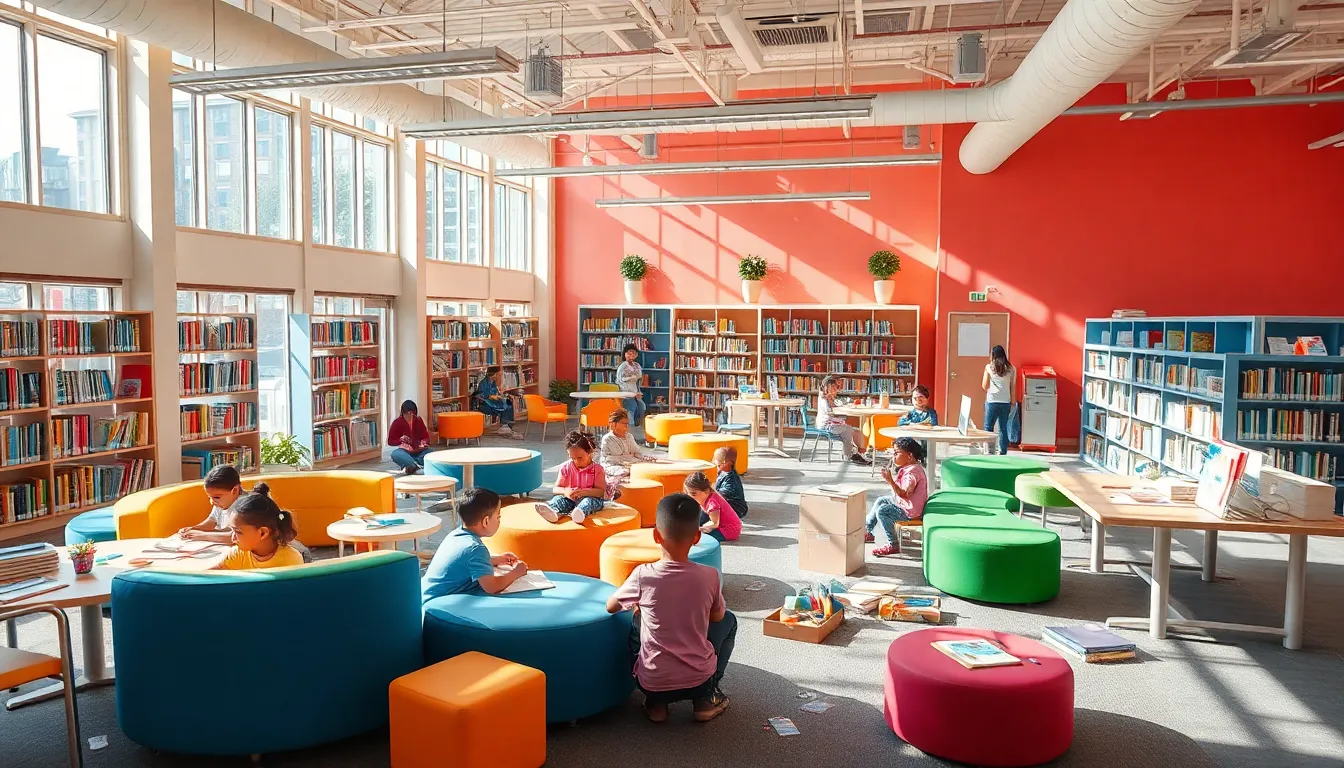
Effective learning centers require specific components to support educational growth. Understanding these key elements ensures optimal engagement and effectiveness.
Space Design and Layout
The design of a learning center significantly affects student interaction. Flexible furniture arrangements promote collaboration and movement. Defined zones for different subjects help learners focus better. Natural light enhances the ambiance, making the environment more inviting. Additionally, creating quiet areas facilitates concentration for reading or individual work. Each zone should be easily navigable, allowing students to shift between activities without disruption.
Essential Materials and Resources
Essential materials play a crucial role in a learning center’s functionality. Access to diverse resources aids in accommodating various learning styles. A well-stocked library with books, magazines, and digital resources encourages exploration. Art supplies, science kits, and technology tools support hands-on activities. Manipulatives for math provide concrete learning experiences. Furthermore, including instructional materials like charts and guides enhances understanding and fosters independence in learners.
Steps To Create An Effective Learning Center
Creating an effective learning center involves understanding the needs of students and planning the environment accordingly.
Assessing Student Needs
Understanding student needs is crucial for a successful learning center. Gather input through surveys or discussions to pinpoint interests and learning styles. Analyze data to identify common challenges and preferences among students. Review the age groups and skill levels for tailored resources. Prioritize inclusivity by addressing diverse needs such as varying abilities and backgrounds. Adapt the center’s design based on this information to maximize engagement. Creating spaces that resonate with students encourages active participation and fosters a sense of belonging.
Planning the Layout
Planning the layout of the learning center requires strategic organization. Designate specific zones for subjects like reading, science, and arts to help learners focus effectively. Arrange furniture in flexible configurations that promote collaboration and interaction. Create a welcoming entrance that invites exploration and curiosity. Ensure pathways between different areas are clear for easy navigation. Incorporate quiet corners for concentration while providing open spaces for group activities. Prioritize natural light and color schemes that enhance the atmosphere and inspire creativity.
Implementing Technology
Implementing technology adds a modern edge to the learning environment. Equip the center with interactive whiteboards and tablets for engaging lessons. Integrate educational software that supports various subjects and learning styles. Include reliable Wi-Fi to ensure seamless access to online resources and virtual learning tools. Consider using augmented reality or virtual reality applications to provide immersive experiences in subjects like science and history. Regularly update technology to keep resources relevant and beneficial, maintaining learners’ interest and enthusiasm. Prioritize training for educators to effectively use these tools and maximize their educational impact.
Common Challenges In Learning Centers Setup
Setting up a learning center presents various challenges that demand attention. Recognizing these roadblocks helps in developing effective solutions.
Budget Constraints
Budget constraints often hinder the establishment of an ideal learning environment. Limited financial resources can prevent purchasing necessary materials, furniture, and technology. Prioritizing spending on essential items, such as books and supplies, ensures foundational needs are met first. Utilizing community partnerships for funding or donations can also aid in alleviating financial pressures. Exploring grants specifically designed for educational initiatives offers another avenue for financial support. In many cases, resale shops or online marketplaces provide affordable options for furniture and resources, enabling more cost-effective setups.
Space Limitations
Space limitations pose significant challenges for learning centers. Small or irregularly shaped spaces often complicate effective layout designs. Creating distinct learning zones within confined areas requires thoughtful planning. Incorporating flexible furniture arrangements helps maximize functionality while allowing for collaboration and movement. Utilizing vertical space for storage and display can also address constraints. Opting for multi-purpose areas encourages diverse activities without overcrowding. Inviting natural light through windows or skylights enhances ambiance, making even smaller spaces feel more open and welcoming.
Conclusion
Creating an effective learning center is more than just arranging furniture and resources. It’s about crafting an environment that inspires curiosity and fosters a love for learning. By thoughtfully designing spaces that cater to diverse learning styles and needs, educators can significantly enhance student engagement and motivation.
The right combination of flexible layouts, natural light, and interactive materials makes a learning center a dynamic hub for exploration. Overcoming challenges like budget constraints and limited space requires creativity and strategic planning. Ultimately, a well-implemented learning center can transform the educational experience, making learning enjoyable and impactful for all students.