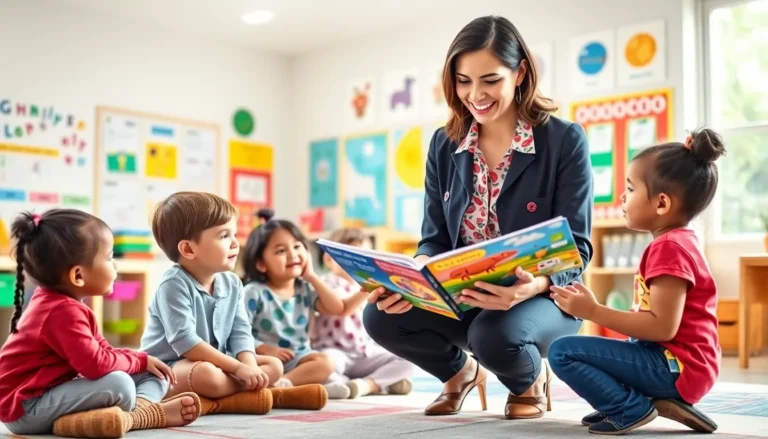
Imagine a world where toddlers are not just learning to count their crayon colors but are actually preparing to take on the world one block at a time. Welcome to the transformative realm of early childhood education classes. These classes aren’t just playdates disguised as lessons: they are foundational experiences crafted to foster development, creativity, and social skills. With little ones at the center of this adventure, the journey begins well before kindergarten. So, let’s jump into what makes these classes not just important, but essential for your child’s future success.
What Is Early Childhood Education?
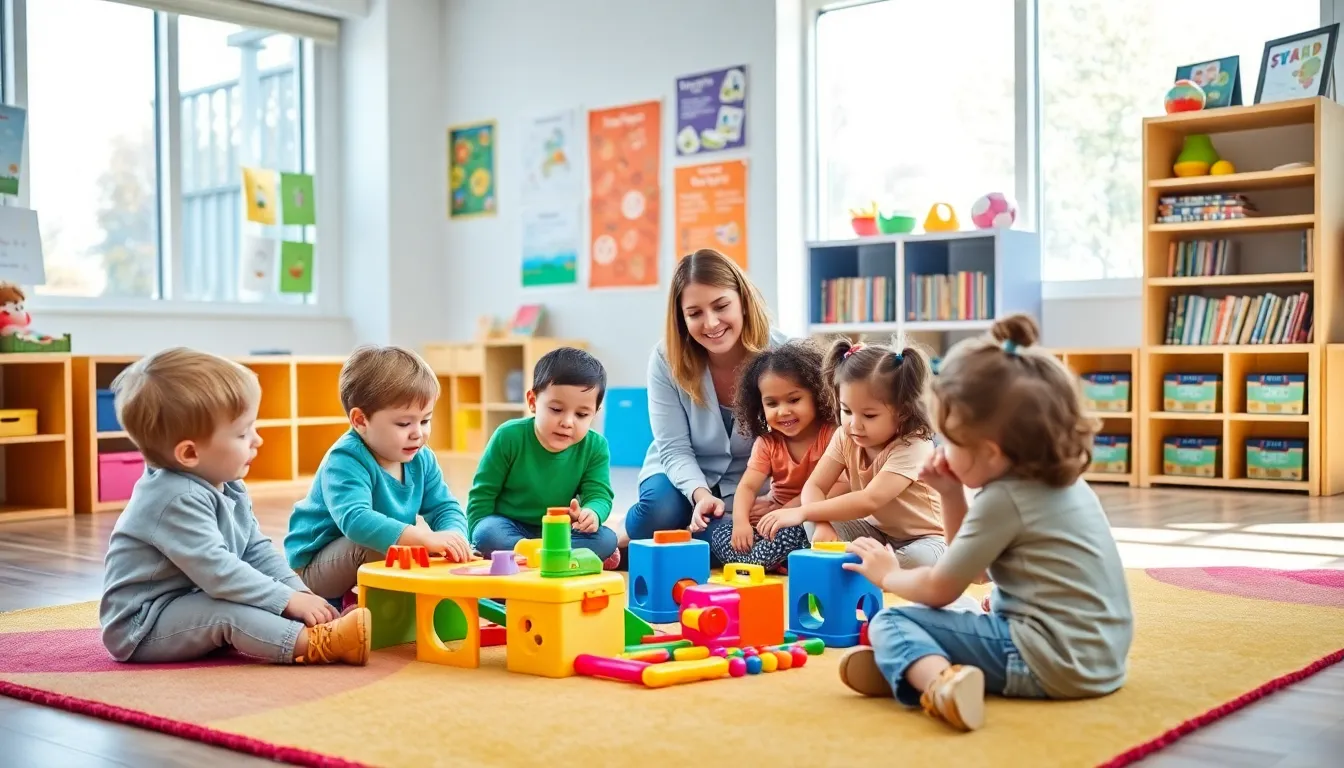
Early childhood education (ECE) refers to educational programs designed for children from birth to eight years old, before their entry into formal schooling. These formative years are crucial, as they lay the groundwork for lifelong learning, cognitive development, and socialization. ECE encompasses various pedagogical approaches that encourage holistic child development. From play-based learning models to structured curriculum guides, each method aims to foster curiosity, creativity, and critical thinking. While it may seem straightforward, early childhood education is a nuanced field that recognizes the importance of nurturing young minds through engaging and thoughtful interactions.
Importance of Early Childhood Education
The importance of early childhood education cannot be overstated. Research continually shows that children who participate in quality ECE programs tend to perform better academically and socially throughout their lives. One of the big advantages is that ECE helps to close achievement gaps. Kids from disadvantaged backgrounds often enter preschool ready to learn, creating a better chance for equitable outcomes.
Also, early education contributes to emotional and social skills. Young learners strengthen their ability to communicate, form relationships, and navigate challenges. These skills form the bedrock of future interactions in and outside of the classroom. From building self-esteem to developing problem-solving skills, early childhood education serves as a launchpad, propelling children into a brighter future.
Types of Early Childhood Education Classes
Early childhood education classes come in various flavors, catering to diverse age groups and developmental needs. Here are some common types:
Preschool Programs
Often designed for children aged three to five, preschool programs focus on basic literacy, numeracy skills, and socialization.
Montessori Schools
These schools emphasize self-directed activity, hands-on learning, and collaborative play. Children choose their activities, promoting independence.
Head Start Programs
Specifically aimed at low-income families, Head Start provides a comprehensive preschool experience, focusing on school readiness and parental involvement.
Play-Based Learning
Here, play is the vehicle for learning. Children engage in guided play that promotes interaction, creativity, and exploration of their environment.
Each of these classes has distinctive approaches and philosophies designed to meet children’s needs, making the choice a bit like selecting ice cream flavors, there’s something for everyone.
Key Components of Effective Early Childhood Education Classes
Effective early childhood education classes share some common components. Understanding these can help parents assess the quality of potential programs:
Qualified Educators
Competent and passionate educators possess the knowledge and skills to create nurturing learning environments. They understand child development and can adapt to each child’s unique needs.
Engaging Curriculum
A rich and varied curriculum is crucial. Activities should blend play and learning, allowing children to explore different subjects in fun, meaningful ways.
Family Involvement
When parents or caregivers are involved, children thrive. Programs that encourage family participation foster better relationships and create a sense of community.
Safe Environment
A safe and inclusive environment ensures that children can explore, take risks, and grow without fear. Safety goes beyond physical aspects and includes emotional security as well.
These components contribute to a well-rounded program that nurtures the “whole child,” preparing them for the next stages of development.
How to Choose the Right Early Childhood Education Class
Choosing the right early childhood education class is more than just picking a brochure with a sunny picture on the front. Here are critical factors to consider:
Assessing Your Child’s Needs
Consider your child’s learning style, interests, and temperament. Some kids thrive in structured environments, while others flourish in less formal settings.
Researching Programs
Look for programs with strong reputations. Read reviews, ask other parents, and consider visiting to observe a class in action. What’s the vibe? Are children engaged?
Curriculum and Philosophy
Do the school’s educational philosophy align with your values? Each program has unique methodologies that may resonate differently.
Location and Cost
Choose a program that fits your logistical needs. Balancing quality with cost is a significant factor, remember that a slightly more expensive program could offer a greatly enhanced educational experience.
By weighing these considerations, parents can make informed decisions to set their children on the right educational path.
Challenges in Early Childhood Education Classes
While early childhood education offers numerous benefits, it’s not without its challenges. Here are a few:
Access and Equity
Many families still face barriers in accessing quality ECE programs due to geographic, financial, or systemic issues. This inequity can perpetuate achievement gaps.
Quality Variance
Not all programs are created equal. Some classes may lack qualified educators or sufficient resources, leading to inconsistent experiences for children.
Adjusting to Diverse Needs
Early childhood classrooms often contain a mix of abilities and backgrounds. Teachers must adapt their approaches to address diverse needs without compromising the learning experience for any child.
Funding Issues
Inadequate funding can stifle program growth and limit the opportunity for innovation and improvement. Quality education often requires access to resources that aren’t always available.
Addressing these challenges requires a collective effort from policymakers, educators, and communities, emphasizing the need for investment in quality early education.
Future Trends in Early Childhood Education
As society evolves, so does early childhood education. Here are a few exciting trends shaping its future:
Technology Integration
Incorporating technology in a balanced way is increasingly common. From educational apps to interactive storytelling, tech can enhance learning experiences.
Focus on Social-Emotional Learning
There’s a growing recognition of the importance of emotional intelligence. Programs are beginning to emphasize social-emotional learning alongside traditional academics.
Inclusion and Diversity
Future classes are likely to prioritize inclusivity. Culturally responsive practices will aim to create environments that celebrate diversity and foster understanding among children from different backgrounds.
Outdoor Learning
Nature-based education is gaining traction, emphasizing outdoor play and exploration. Children learn valuable skills while experiencing the natural world firsthand.
These trends indicate a bright future for early childhood education, underscoring its critical role in shaping well-rounded, capable individuals.